

 Colombia
 México
 Italia
 Francia
 Alemania
⏱️ Batch Cooking for Beginners: How to Cook in 2 Hours for the Whole Week and Save Money
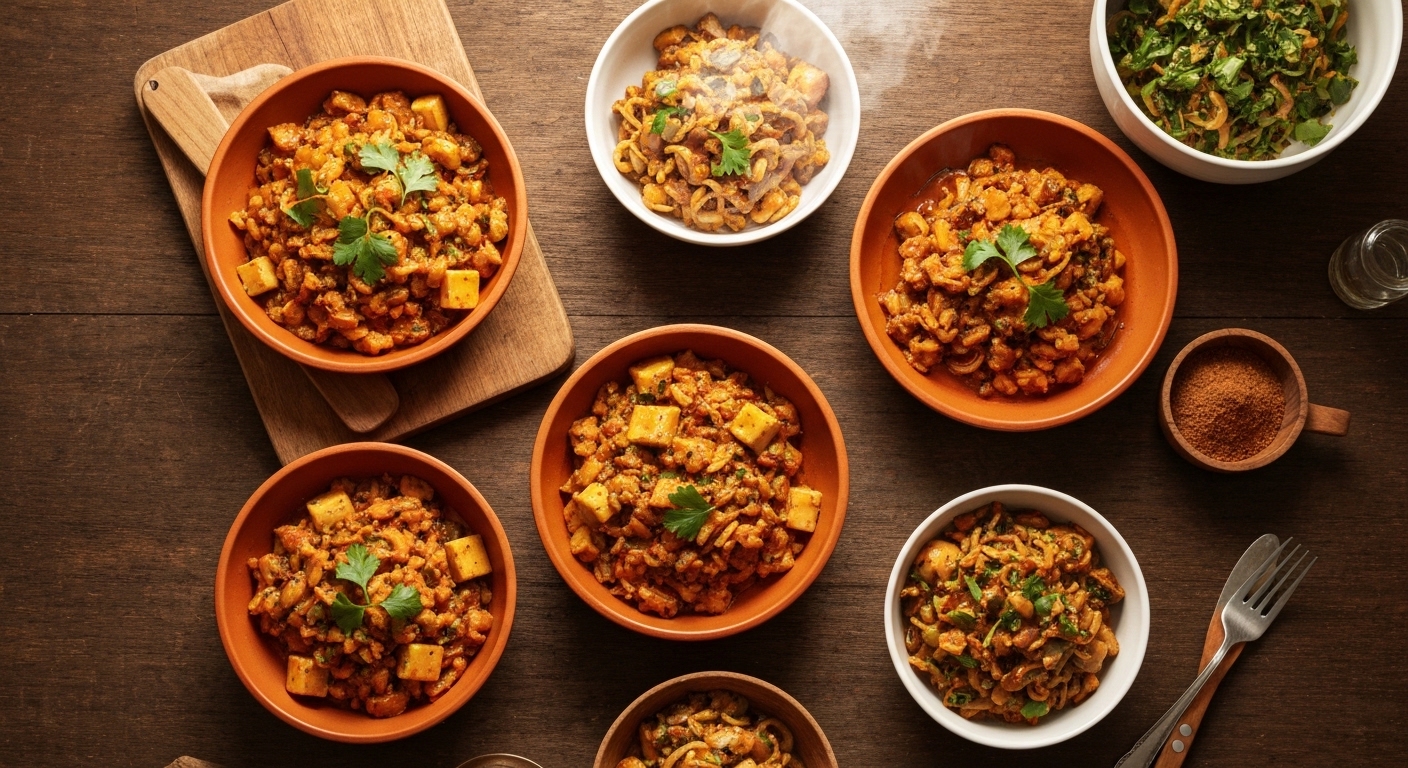
What is Batch Cooking for Beginners and Why Do You Need It?
Coming home after a tiring day and facing the question "What's for dinner?" is one of the biggest stress triggers and unnecessary spending. Often, the lack of time pushes us to order takeout or buy expensive ultra-processed foods that benefit neither our health nor our wallet. This is where batch cooking for beginners comes in.
Batch cooking simply consists of dedicating a block of time (usually about two hours on Sunday) to cook large quantities of base ingredients or complete dishes for the rest of the week. It’s not about being a professional chef, but about being efficient. By organizing your weekly menu and cooking in batches, you reduce food waste, take better advantage of supermarket deals, and reclaim your free afternoons.
Real Benefits of Organizing Your Weekly Menu
Adopting this habit not only transforms your kitchen but also your finances. Here are the most tangible benefits:
- Economic Savings: By buying only what you need for your planned recipes, you avoid impulse purchases.
- Less Waste: You use fresh ingredients before they spoil in the refrigerator.
- Better Nutrition: You have complete control over salt, oil, and the quality of ingredients.
- Mental Peace: Knowing that dinner is ready in 5 minutes completely changes your mood when you get home.
Step 1: Planning and Smart Shopping
For easy meal prep to work, you can't improvise. The first step is to check what you have in your pantry. Before heading out to shop, see if you have rice, lentils, pasta, or cans of tuna. The goal is to complement what you already have.
Design a Menu Based on Shared Ingredients
The key to cooking quickly is to choose recipes that share ingredients. For example, if you buy a kilo of carrots, you can use them in a salad, in a lentil stew, and as a roasted side. This simplifies the shopping list and preparation in the kitchen.
Prioritize Affordable and Versatile Ingredients
In batch cooking for beginners, the best allies are staple foods:
- Legumes: Lentils, chickpeas, and beans are cheap, nutritious, and store wonderfully.
- Grains: Brown or white rice, pasta, and oats.
- Accessible Proteins: Eggs, chicken, and canned tuna.
- Seasonal Vegetables: They are always cheaper and taste better.
Step 2: The 2-Hour Session (Cooking on Sunday)
To achieve Sunday cooking for the whole week in just two hours, you need a workflow strategy. Don’t cook dish by dish; cook by cooking methods.
1. The Oven is Your Best Friend (0-60 Minutes)
While you prepare the rest, the oven can work on its own. Place seasoned chicken pieces on one tray and a mix of chopped vegetables (zucchini, onion, peppers) on another. In 40 minutes, you’ll have the protein and side for three days.
2. The Stovetop (0-40 Minutes)
Use all available burners:
- Burner 1: A large pot with rice or pasta.
- Burner 2: A pot with lentils or chickpeas (you can use canned legumes to save time, just wash them well).
- Burner 3: A large pan to make a base sofrito (onion, garlic, and tomato) that will serve for several preparations.
- Burner 4: Boil 6-8 eggs. They are the perfect protein for salads or quick snacks.
3. The Chopping Area
While the pots are boiling, take time to wash and chop raw vegetables. Store clean, dry lettuce in a container with absorbent paper; it will stay fresh all week.
Step 3: Storage and Preservation
Cooking is pointless if the food spoils in two days. For successful batch cooking for beginners, follow these rules:
- Quick Cooling: Don’t store hot food in the refrigerator, but don’t leave it out for more than two hours either. Distribute into small containers to cool quickly.
- Air-tight Containers: If possible, use glass containers. They don’t absorb odors and are safer for heating.
- 3-Day Rule: What you plan to eat from Monday to Wednesday can go in the refrigerator. For Thursday and Friday, it’s better to freeze it from day one.
Example of an Affordable Weekly Menu
With the basic ingredients mentioned, here’s what your week could look like:
- Monday: Rice with lentils and boiled egg.
- Tuesday: Pasta salad with tuna, grated carrot, and roasted vegetables.
- Wednesday: Baked chicken with rice and green salad.
- Thursday: Sautéed chickpeas with the base sofrito and vegetables.
- Friday: Rice bowl, leftover chicken, egg, and fresh vegetables.
Conclusion: Start Slowly
Don’t try to cook 21 meals in your first session. Batch cooking for beginners is about progress, not perfection. Start by preparing only lunches or only dinners. Once you master the rhythm of your kitchen and know which foods hold up best in your refrigerator, you can expand the menu. Cooking at home is the most effective way to care for your finances and your well-being.
Try the Tool for Free
Discover a more practical way to cook better and spend less.
Try the Tool for FreeYou may also be interested in:
- 10 Tricks to Save at the Supermarket Every Month
- 5 Affordable and Delicious Rice Recipes
- Meal Prep Guide for Taking to the Office
Frequently Asked Questions about Batch Cooking
Most cooked foods (rice, pasta, meats, legumes) last between 3 and 4 days under optimal refrigeration conditions (4°C or less). Fish should be consumed within a maximum of 2 days.
Yes, they can be frozen. Rice freezes very well. It’s best to leave the pasta slightly al dente (a bit firm) before freezing so it doesn’t fall apart when reheating.
Glass containers with airtight lids are ideal because they are durable, don’t stain, and you can put them directly in the microwave or oven. However, BPA-free plastic ones also work if you’re looking for a lighter and more economical option.
¿Listo para cocinar con inteligencia?
Genera recetas personalizadas con IA, adaptadas a tu presupuesto y tus ingredientes.


